
Are you curious whether LED face masks live up to the hype or if they’re just another beauty fad? You’re not alone.
With so many glowing reviews and eye-catching videos online, it’s easy to wonder if these colorful masks can truly transform your skin. Before you invest your time and money, it’s important to understand how LED face masks work, what benefits they might offer, and their potential downsides.
You’ll discover the science behind these devices, real results you can expect, and whether they’re a smart addition to your skincare routine. Ready to find out if LED face masks actually work for you? Keep reading!
Led Masks Basics
LED face masks have gained popularity for skin care at home. They use light therapy to improve skin health. Understanding the basics helps in knowing how they work and what to expect.
The masks shine different colors of light on the face. Each color targets specific skin issues. The light penetrates the skin to trigger natural processes.
How Led Masks Work
LED masks emit low-level light energy on the skin. This light reaches deep layers without heat or pain. Cells absorb the light and respond by repairing and renewing. This can increase collagen production and reduce inflammation. The therapy may help clear acne by killing bacteria. It also improves blood flow to the skin. Regular use is needed to see results.
Types Of Led Light
Different LED lights serve different purposes. Red light helps boost collagen and reduce wrinkles. Blue light targets acne-causing bacteria and soothes inflammation. Near-infrared light can improve circulation and skin healing. Some masks combine lights for multiple benefits. Choosing the right light depends on your skin concerns. Each color works at a specific depth in the skin.

Credit: www.reddit.com
Skin Benefits
LED face masks offer several skin benefits backed by scientific research. They use specific light wavelengths to target skin cells. This process helps improve skin texture and health over time.
The benefits include boosting collagen, reducing acne, and slowing down aging signs. Each effect works differently but contributes to healthier skin.
Collagen Production
Red light from LED masks stimulates collagen production in the skin. Collagen is a protein that keeps skin firm and elastic. More collagen means fewer wrinkles and smoother skin. Regular use may help repair skin damage and improve overall skin tone.
Acne Reduction
Blue light targets the bacteria that cause acne breakouts. It kills these bacteria on the skin surface without harsh chemicals. This reduces inflammation and prevents new pimples from forming. Combining blue and red light can also help heal acne scars faster.
Anti-aging Effects
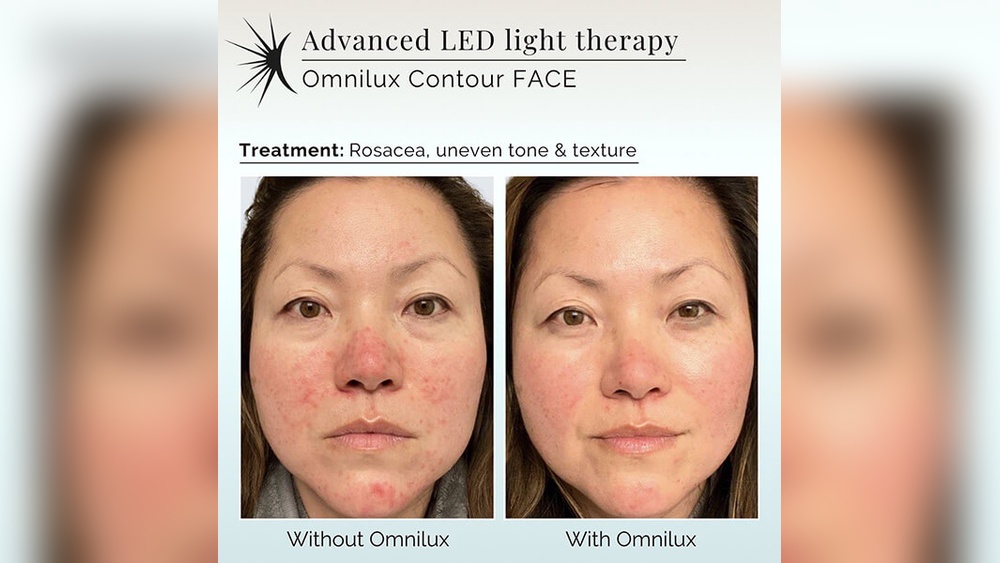
LED masks reduce fine lines and wrinkles by increasing blood flow. Improved circulation brings more oxygen and nutrients to skin cells. This supports skin repair and slows aging signs. The gentle light also calms redness and soothes irritated skin.
Scientific Evidence
Scientific evidence helps us understand if LED face masks really work. Researchers study how light therapy affects skin. Studies show some benefits but also limits. Knowing what science says can guide smart choices.
Clinical Studies
Many clinical studies tested LED light therapy on skin. Red and near-infrared light can boost collagen and heal wounds. Blue light helps reduce acne-causing bacteria. Some studies found improvements in skin texture and inflammation. Results vary by device type and treatment time. At-home masks usually have lower light power than clinic machines. This means effects may be milder but still helpful over time.
Expert Opinions
Dermatologists often recommend LED masks as a safe option. They say these masks can support skin health but do not replace daily care. Experts warn users to avoid overuse and protect eyes during treatment. Some experts note that LED masks may not work for all skin types. They stress patience, as results take weeks or months to appear. Professionals see LED therapy as a useful tool, not a miracle cure.
Usage Limitations
LED face masks offer promising skin benefits but come with usage limitations. Understanding these limits helps set realistic goals and prevents misuse. Some factors affect how well the masks work and who should use them.
At-home Vs Professional Treatments
At-home LED masks use lower light intensity than professional devices. This means results take longer and may be less dramatic. Professionals adjust treatments to skin type and condition for better outcomes. They use stronger lights and more precise timing. At-home devices suit mild skin issues and maintenance. For serious problems, professional treatments are safer and more effective.
Consistency And Expectations
Regular use is key to seeing benefits from LED masks. Most users need several weeks of treatment for visible changes. Sessions usually last 10 to 30 minutes, several times a week. Skipping sessions slows progress. Results vary by skin type and issue. Some may see improvements in acne or wrinkles, while others notice little change. Patience and realistic expectations prevent frustration.
Safety Concerns
LED face masks promise glowing skin and fewer wrinkles. Safety is an important factor for users. Understanding risks helps prevent harm and ensures the best results.
Users must know what to watch for before buying or using these devices.
Eye Protection Needs
LED lights emit bright rays that can hurt the eyes. Direct exposure might cause eye strain or damage. Many masks do not cover the eyes fully.
Wearing protective goggles is necessary during treatment. This prevents discomfort and long-term harm to the eyes.
Skin Sensitivity Risks
Some skin types may react badly to LED light. Redness, dryness, or irritation can occur. These effects are usually temporary but can be uncomfortable.
People with sensitive skin should start with short sessions. Testing on a small skin area is wise to check for reactions.
Contraindications
Certain health conditions make LED masks unsafe. Pregnant women and those taking photosensitive medication should avoid use. Diseases like lupus also increase risk of side effects.
Consulting a doctor before using LED masks is important. This helps avoid worsening health problems or unexpected reactions.
Potential Side Effects
LED face masks offer promising skin benefits. Yet, they carry some potential side effects. Understanding these risks helps users decide if this treatment suits their skin type.
Redness And Irritation
Redness often appears after LED mask use. The skin may feel warm or slightly irritated. This happens because light stimulates skin cells. Sensitive skin types are more prone to this reaction. Usually, redness fades within a few hours. Persistent irritation should prompt users to stop treatment and consult a dermatologist.
Dryness And Peeling
Some users experience dryness after sessions. The light can reduce skin moisture temporarily. Peeling might occur if the skin becomes too dry. Applying a gentle moisturizer after treatment can help. Avoid harsh skincare products on treatment days to reduce dryness risks.
Hyperpigmentation Risks
Improper use of LED masks may trigger dark spots. People with darker skin tones should be cautious. Excessive exposure to light can worsen hyperpigmentation. It is essential to follow recommended treatment times. Consulting a skincare professional before use lowers these risks.
Device Quality
Device quality plays a major role in how well LED face masks work. Not all devices deliver the same results. The materials used, light intensity, and safety features vary across brands. Picking a high-quality device can improve the chances of seeing real skin benefits.
Poor quality masks may have weak LEDs or uneven light distribution. This reduces the effectiveness of the treatment. A good device uses the right wavelengths and enough power to target skin cells properly. Users should check for trusted brands with clear product details.
Fda Clearance Importance
FDA clearance shows a device meets safety and performance standards. It means the mask was tested and found safe for skin use. This reduces the risk of side effects or damage.
Devices with FDA clearance are more reliable. They must prove they do what they claim without harm. Consumers should look for this mark before buying an LED face mask. It ensures the product is backed by scientific review.
Risks Of Cheap Devices
Cheap LED masks often cut corners in design and materials. They may use low-quality LEDs that do not emit the correct light spectrum. This leads to poor results or no visible change.
These devices may also lack safety features. Users risk skin irritation, burns, or eye strain. Some cheap masks emit inconsistent light, which can worsen skin problems.
Investing in a quality device protects skin health and improves treatment success. Avoid products with vague information or no testing data. Safety and effectiveness matter most for LED face masks.

Credit: www.glamourmagazine.co.uk
Cost Considerations
Cost is an important factor when deciding on LED face masks. These devices vary widely in price. Understanding the cost helps in making a smart choice. Consider how much you spend versus the benefits you gain.
Investment Vs Results
LED face masks can cost from $50 to over $500. Higher prices usually mean better quality and more features. Cheaper masks may offer limited benefits and durability. Think about what skin issues you want to address. Match the device’s capabilities with your skin goals. Some masks show visible improvement after weeks of use. Others may have subtle effects. The key is realistic expectations about what the mask can do.
Long-term Value
LED masks require regular use to see results. This means time commitment as well as money. Unlike single treatments, these devices offer ongoing care. You save on repeated salon or dermatologist visits. Many masks come with replaceable parts or need battery changes. Factor in these extra costs over time. A durable, effective mask can be a better deal. It reduces expenses for other skincare products or treatments. Evaluate if the mask fits your budget for months or years ahead.
Best Practices
Using LED face masks correctly ensures the best results and safety. Proper care and routine integration make treatments more effective. Following best practices helps avoid skin irritation and maximizes benefits.
Proper Usage Tips
Clean your face before wearing the mask to remove dirt and oil. Use the mask for the time recommended by the manufacturer, usually 10 to 20 minutes. Avoid overusing the device to prevent skin dryness or redness. Keep your eyes closed or wear protective goggles to avoid eye strain. Use the mask on dry skin for better light absorption. Store the mask in a cool, dry place after each use to keep it safe.
Integrating With Skincare Routine
Use LED masks after cleansing and before applying serums or moisturizers. Do not apply heavy creams before the session, as they can block the light. Follow up with gentle, hydrating products to soothe the skin. Avoid using harsh exfoliants or treatments on the days you use the mask. Consistency is key; use the mask regularly as part of your routine. Combine LED therapy with sunscreen during the day to protect your skin.

Credit: www.youtube.com
Frequently Asked Questions
Do Led Masks Really Work For Skin?
LED masks can boost collagen and reduce acne bacteria, improving skin texture. They complement, not replace, regular skincare. At-home devices offer mild benefits, less than professional treatments. Proper use and eye protection are essential to avoid irritation or damage. Results vary by skin type and consistency.
What Are The Disadvantages Of Led Face Masks?
LED face masks may cause eye strain, skin redness, dryness, or worsen melasma if misused. They offer subtle results and cost more than other treatments. Pregnant women and those on photosensitizing drugs should avoid them.
What Does Mayo Clinic Say About Red Light Therapy?
Mayo Clinic states red light therapy may help skin healing and reduce inflammation. It is not a proven cure.
Is Red Led Light Good For Eczema?
Red LED light may reduce eczema inflammation and itching by promoting skin healing. Use devices properly and consult a doctor first.
Conclusion
LED face masks can help improve skin by boosting collagen and reducing acne bacteria. They work best as a part of your regular skincare routine. Results take time and consistent use. Masks used at home may not be as strong as treatments at a dermatologist’s office.
Protect your eyes during use to avoid strain or damage. Some people with sensitive skin or certain conditions should avoid them. Overall, LED face masks offer benefits but are not a quick fix. Patience and care matter most for healthy skin.
