
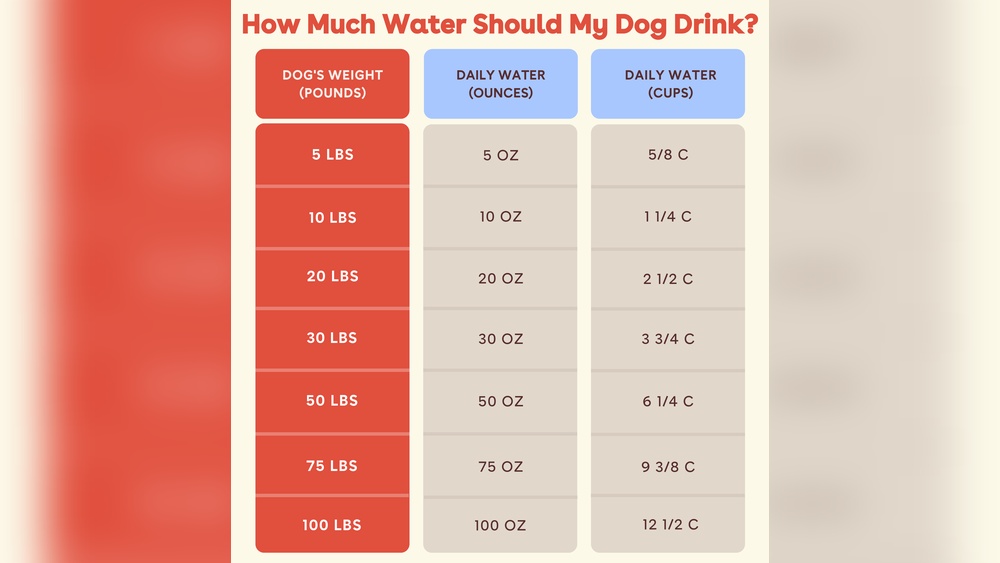
How much water should your dog drink each day? It’s a simple question, but the answer is vital for your furry friend’s health.
Just like you, your dog needs the right amount of water to stay active, happy, and healthy. Too little water can lead to dehydration, while too much can signal other health issues. You’ll discover how to tell if your dog is drinking enough, what affects their water needs, and practical tips to keep your pet properly hydrated every day.
Keep reading to learn how to give your dog the best care when it comes to their water intake.

Credit: www.petlabco.co.uk
Daily Water Needs
Water is essential for every dog’s health. Knowing how much water your dog needs daily helps keep them healthy and active. Dogs drink water to stay cool, digest food, and keep their organs working well.
Each dog is different. Their water needs change based on many things. Understanding these needs lets you give your dog the right amount of water every day.
General Guideline
A simple rule is that dogs need about one ounce of water per pound of body weight. For example, a 20-pound dog should drink about 20 ounces of water daily. This equals roughly 2.5 cups of water.
This guideline fits most healthy dogs living in normal climates. Puppies and pregnant dogs often need more water. Older dogs might drink less, but always watch for signs of dehydration.
Factors That Increase Intake
Some things make dogs drink more water than usual. Hot weather makes dogs pant and lose water faster. They need extra water to stay cool.
Active dogs burn more energy and sweat through their paws. They must drink more to replace lost fluids. Dogs eating dry food need more water compared to dogs eating wet food.
Health conditions like kidney problems, diabetes, or infections can increase thirst. Always check with a vet if your dog drinks much more than usual.

Credit: www.tartarshield.com
Why Water Access Matters
Water access is vital for a dog’s daily well-being. Dogs rely on water to maintain key body functions. Without enough water, dogs risk dehydration and serious health issues. Constant access to fresh water supports their comfort and vitality.
Dogs cannot store water like some animals. They need to drink regularly to replace fluids lost through breathing, sweating, and waste. Owners should provide clean water all day, especially in warm weather or after exercise.
Heat Regulation
Dogs use water to cool their bodies. They do not sweat like humans. Instead, dogs pant to release heat. This process needs moisture from water. Without enough water, dogs can overheat quickly. Heatstroke is a dangerous risk in hot weather. Providing water helps dogs stay cool and safe.
Activity Impact
Active dogs lose more water through panting and movement. Running, playing, and exercise increase water needs. Drinking water replaces lost fluids and prevents fatigue. Dogs that exercise need water before, during, and after activity. Always offer water to active dogs to keep them energized.
Health Benefits
Water supports digestion and nutrient absorption. It helps flush toxins from the kidneys. Proper hydration keeps joints lubricated and skin healthy. Water also aids in maintaining normal body temperature. Regular water intake strengthens a dog’s immune system. Hydrated dogs are happier and healthier overall.
Signs Of Dehydration
Dogs need water to stay healthy and active. Dehydration can happen quickly and is dangerous. Watch for signs that your dog may not have enough water. Early detection helps prevent serious health problems. Signs of dehydration show in the body and in behavior. Knowing these signs helps you act fast and keep your dog safe.
Physical Symptoms
Dry or sticky gums mean your dog lacks moisture. A healthy dog’s gums and nose feel wet. Skin elasticity changes too. Pinch the skin on the shoulder and let go. If it does not snap back fast, your dog might be dehydrated. Sunken eyes and heavy panting also warn of dehydration. Weakness and lack of energy are common physical signs.
Behavioral Changes
A dehydrated dog may act different. It might be less playful or tired all the time. Your dog could hide or avoid moving around. Loss of appetite is another sign. Some dogs become restless or irritable. Pay attention if your dog drinks less water than usual. These changes show that your dog needs water and care right away.
Diet And Hydration
Diet plays a key role in how much water a dog needs daily. Different foods contain varying moisture levels. This affects the total water intake a dog receives from both food and drinking. Understanding this helps pet owners keep their dogs well hydrated. Hydration supports digestion, energy, and overall health.
Dry Food Vs Wet Food
Dry food contains about 10% moisture. Dogs eating only dry food need to drink more water. Wet food has up to 80% moisture. Dogs on wet food get a large part of their water from meals. They usually drink less water from a bowl. Knowing the food type helps estimate how much extra water your dog needs.
Influence Of Treats And Supplements
Treats can add to a dog’s water intake if they are moist. Chewy or wet treats contain water. Hard, dry treats do not add much moisture. Supplements like broth or water-rich powders also increase hydration. Some supplements encourage drinking more water. Monitor treat types and amounts to balance your dog’s hydration well.
Environmental Effects
Environmental factors play a big role in how much water a dog needs daily. Different weather conditions affect a dog’s hydration needs. Understanding these changes helps keep dogs healthy and comfortable.
Hot And Humid Climates
Dogs drink more water in hot and humid weather. Heat makes them pant to cool down. Panting uses moisture from their body, which they must replace by drinking water.
Humidity reduces sweat evaporation, making dogs lose more water. They need extra water to prevent dehydration. Always provide fresh water in hot weather.
Cold And Dry Conditions
Dogs may drink less water in cold weather. Cold air is dry and can cause mild dehydration through breathing. Dogs lose moisture without realizing it.
Dry skin and nose are signs of low hydration. Make sure your dog has water available even in winter. It helps maintain their health and energy.

Credit: www.microcomenviro.com
Special Hydration Needs
Some dogs need more water than others. Special hydration needs depend on age, health, and life stage.
Understanding these needs helps keep dogs healthy and active. Watch closely for changes in water intake.
Puppies And Nursing Dogs
Puppies drink more water to support growth and energy use. They lose water faster than adult dogs.
Nursing dogs need extra water to produce enough milk. Dehydration can affect both mother and puppies.
Keep fresh water available at all times. Offer smaller, frequent amounts for puppies to avoid spills.
Sick Or Medicated Dogs
Sick dogs often need more water to fight illness and stay hydrated. Certain medications increase thirst.
Monitor water intake carefully. Lack of drinking can worsen health problems quickly.
Consult your vet if you notice changes in your dog’s drinking habits. Proper hydration aids recovery.
Best Practices For Watering
Proper watering is key to keeping your dog healthy and happy. Dogs need constant access to water. Their daily intake varies by size, age, and activity. Following best practices helps prevent dehydration and encourages regular drinking. Simple habits make a big difference in your dog’s hydration.
Clean Water Bowls
Always use clean water bowls for your dog. Dirty bowls can harbor bacteria and cause illness. Wash the bowl daily with soap and water. Rinse well to remove soap residue. Choose stainless steel or ceramic bowls for easier cleaning and durability. Avoid plastic bowls that can trap germs and odors.
Monitoring Intake
Watch how much your dog drinks each day. Note any sudden changes in water intake. Increased drinking may signal health issues like diabetes or kidney problems. Decreased water intake can cause dehydration and need attention. Keep a daily log if your dog has special health needs. This helps you and your vet track hydration trends.
Safe Water Sources
Provide fresh, clean water from safe sources only. Tap water is usually fine but check for contaminants. Avoid stagnant water from ponds or puddles, which can contain harmful bacteria or parasites. Carry bottled water during walks or trips. Always refresh the water to keep it cool and appealing. Clean water encourages your dog to drink more.
Frequently Asked Questions
How Much Water Should A 50 Lb Dog Drink A Day?
A 50 lb dog should drink about 50 ounces (around 1. 5 liters) of water daily. Provide fresh water constantly.
Should I Let My Dog Drink All The Water He Wants?
Allow your dog to drink water freely throughout the day to stay hydrated. Monitor intake for sudden changes. Keep water fresh and bowl clean. Limit water at night only if potty accidents occur. Proper hydration supports health, activity, and temperature regulation.
How To Tell If A Dog Is Getting Enough Water?
Check your dog’s hydration by observing moist gums, a quick skin return when pinched, and normal energy levels.
Should I Leave Water Out For My Dog All Day?
Yes, always provide fresh water for your dog throughout the day. This prevents dehydration and supports health. Clean the bowl regularly and monitor intake.
Conclusion
A dog’s water needs depend on size, activity, and weather. Always provide fresh, clean water daily. Watch for signs like dry gums or lethargy. These may mean your dog needs more water. Keeping water available helps your dog stay healthy and active.
Simple care makes a big difference in their well-being.
